History of the Ancient Hawaiian Ahupuaa Land Management System
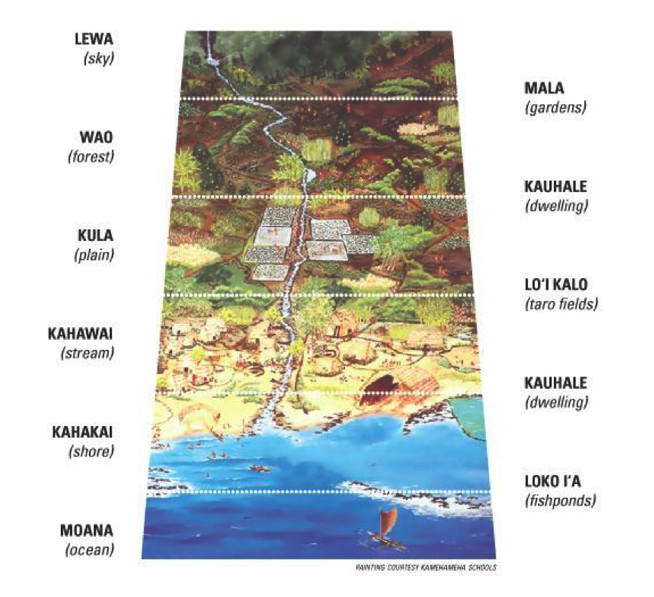
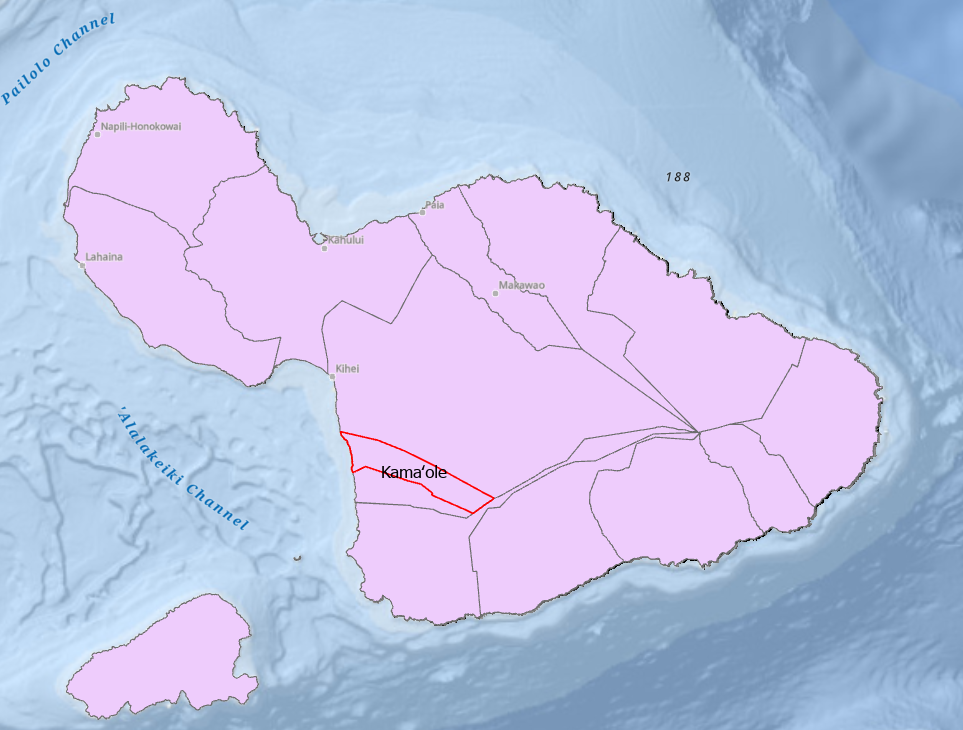
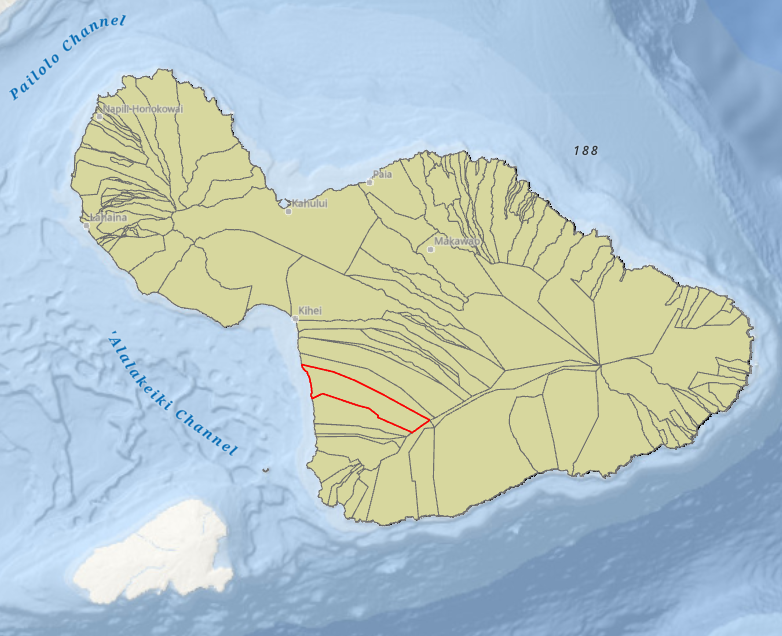
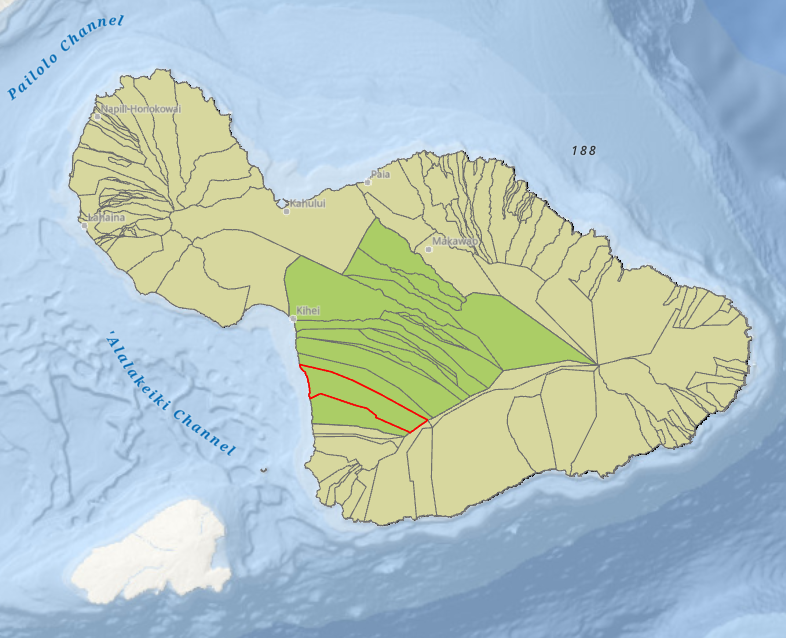
The Ahupuaa system was established in Hawaii, including Maui, over 1000 years ago in response to growing populations and limited natural resources. The uniquely Hawaiian system of communal land tenure, managing natural resources from ridge to reef in trust of the people, lasted until 1848 when the Kingdom of Hawaii implemented the Great Mahele and the fee simple system we know today was put into place. Granting each owner absolute, indefinite title to the land and structures allowing them to use, sell, or lease the land freely. The intimate interconnectedness to the land developed over centuries changed.
Improving the Present by learning from the past
The first humans, Polynesians from the Marquesas Islands, are believed to have arrived and settled in Hawaii between 1000 and 1200 AD, although some studies suggest an earlier arrival around 800-900 AD. A second wave of immigrants arrived from Tahiti around 1200 AD, a journey of over 2500 miles across the vast open Pacific Ocean.
Changing Environment
The Polynesians brought vital plants and animals, such as pigs, dogs, chickens, taro, sugar cane and sweet potatoes which allowed them to establish sustainable communities in the new found paradise. Prior to the arrival of the first immigrants the Hawaiian Islands Ecosystem had been in the hands of only nature, untouched by humans for millions of years.
Evidence
Archaeological finds on the Big Island indicate early, small, and scattered populations focusing on coastal areas.